Check whether the need fits
Look at the problem, company context, location, and limits of your service. A company’s size or a contact’s seniority can provide clues, but neither replaces a clear reason you can help.
LEAD QUALIFICATIONINDONESIA
A suitable company is not always ready to buy. An urgent enquiry is not always a suitable opportunity. SAB helps teams separate fit from intent, ask better opening questions, and choose a sensible next step for each prospect.
By SAB · Jakarta
Connecting marketing and sales since 2017.
WHAT YOUR BUSINESS NEEDS
Someone asking for your company profile may be gathering references. A brief pricing question may come from an active buyer. Without context, both can end up labelled interested. We help you define the evidence behind that label, so your team knows what to clarify, what to pass to sales, and what to leave for later.
Look at the problem, company context, location, and limits of your service. A company’s size or a contact’s seniority can provide clues, but neither replaces a clear reason you can help.
Separate light engagement from a stated need or evaluation step. Questions about scope, operating requirements, and timing can add useful context. Record what buyers actually say and keep unknown information visible.
A suitable account without an active need may benefit from a useful explanation. A confirmed requirement may justify a discussion. An unsuitable request needs an honest answer about what your business can provide.
HOW WE WORK
We work with your team to agree on priorities, deliverables, and how to measure progress.
Agree which needs you can serve and what falls outside your offer. Use real enquiries to make sure the team interprets the criteria consistently.
Ask for information that changes the next step. Prioritise the need and buying context rather than turning first contact into a lengthy qualification interview.
Record what the buyer confirmed, what the team inferred, and what remains unknown. Give the next person a clear view of what still needs asking.
Compare accepted, deferred, and declined enquiries with their reasons. Refine forms, messages, or qualification rules when repeated examples reveal a gap.
 SELECTED SAB WORK
Education · Audience segmentation
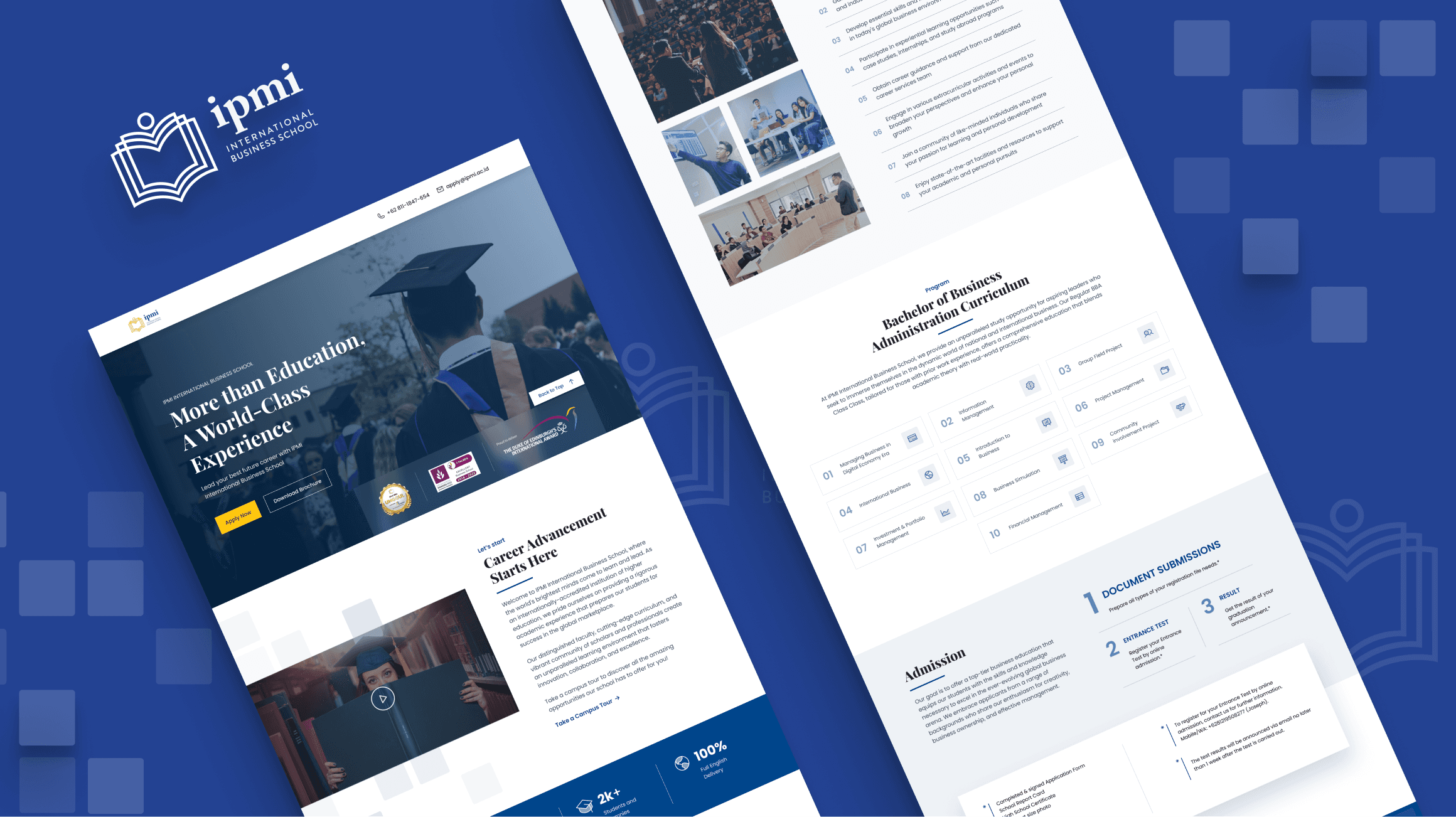
SAB created separate landing pages for IPMI International Business School’s regular classes and working professionals, including WhatsApp, forms, and analytics. Each page organised information around its intended audience. For teams concerned about enquiry quality, that distinction starts before qualification: visitors need to recognise which offer fits them and understand enough to begin a relevant conversation.
Explore SAB’s workExplore the project in our company profile, then talk to us about your own brief.
BEFORE WE TALK
Fit concerns whether your business can serve the organisation and its needs. Intent concerns whether there is a reason to take a buying step now. An ideal account may have no current project, while an urgent request may require something you do not provide. Assess both.
Not necessarily. Clear categories can be enough for a small team. Scores become useful when the inputs are consistent and the resulting decision is explainable. Avoid giving uncertain data an appearance of precision, especially when activity signals have not been connected to an actual buying need.
Choose questions that change how the enquiry is handled, such as the service needed or relevant company context. Other details can wait for a conversation. Review whether the form gives your team enough information without asking visitors to complete an interview before they have spoken to you.
Record the reason and any next step they agreed to, such as receiving specific material or reconnecting later. A delay is not permission for indefinite follow-up. If the need does not fit or the person asks you to stop, make that visible to everyone handling the contact.
TELL US ABOUT YOUR BUSINESS
Identify the missing information and decisions behind your current qualification process.